Buyer Closing Checklist Template: Pro Graphics
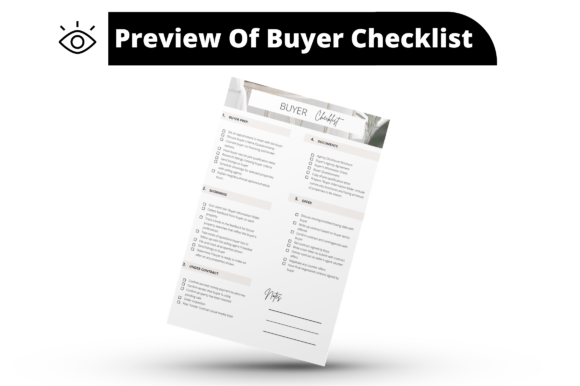
As a digital publisher who has spent years curating visual assets for high-traffic blogs and editorial sites, I approach every new graphic design asset with a critical eye. It is not just about whether an image looks pretty; it is about whether it functions within a real-world publishing workflow. When I first opened the files for the Buyer Closing Checklist Template, my immediate impression was one of structured professionalism. This is not a whimsical or overly decorative piece; it exudes a sense of order and authority that is essential for content dealing with complex processes.
The editorial mood this template creates is distinctly educational and trustworthy. In the world of content marketing, especially within niches like finance, law, or real estate, reader perception hinges on clarity. A cluttered or overly artistic design can undermine the seriousness of the subject matter. This asset strikes a balance, offering a clean layout that suggests expertise without feeling sterile. It naturally supports content niches that require step-by-step guidance, making it an ideal candidate for bloggers and website owners who need to communicate reliability.
Integrating the Asset into Your Publishing Workflow
The true value of any Graphic Templates collection lies in its versatility across different platforms. I immediately began envisioning how the Buyer Closing Checklist Template could be deployed across a standard content ecosystem. For a real estate blog or an affiliate site focused on home buying, this asset serves as a powerful anchor for editorial design. It works exceptionally well as a featured image for long-form guides, where the visual needs to promise a solution to a stressful problem.
Beyond standard blog headers, this template is perfectly suited for creating high-converting Pinterest pin graphics. The checklist format inherently encourages clicks because users love actionable takeaways. By adapting the layout, you can create a series of social media graphics that break down the closing process into bite-sized, shareable moments. Furthermore, it acts as a robust foundation for lead magnet creation. Imagine offering this as a downloadable PDF in exchange for an email address; the professional polish of the design increases the perceived value of the freebie, thereby boosting conversion rates.
For newsletter creators, this asset can be repurposed into eye-catching headers that break up text-heavy emails, providing visual relief while reinforcing the message. It also shines as a category thumbnail, helping readers instantly recognize a section of your website dedicated to transactional advice or buyer resources. Whether you are building a digital guide, an eBook cover, or a printable worksheet, the underlying structure of this template supports a wide array of digital product formats.
Enhancing Visual Hierarchy and Brand Identity
In my experience, the difference between an amateur blog and a professional publication often comes down to visual hierarchy. The Buyer Closing Checklist Template excels here by organizing information in a way that guides the eye logically. When used correctly, it creates a stronger first impression, signaling to the reader that the content behind the graphic is well-researched and valuable. This consistency builds brand identity; over time, your audience will associate this specific style of clear, organized graphics with your unique voice.
This level of polish directly impacts content performance. A cohesive set of blog graphics improves reader trust and encourages deeper engagement. When a user sees a professional-looking checklist, they are more likely to believe the accompanying advice is accurate. This is crucial for affiliate marketing, where trust is the currency of conversion. By using this template to visualize complex data or steps, you reduce cognitive load for the reader, making them more likely to click through to your affiliate links or recommended services.
Strategic Placement and Usage Considerations
While this asset is versatile, there are specific contexts where it shines brightest. It is ideally suited for hero images on landing pages, article thumbnails in grid layouts, and as a central visual in downloadable resources. It also works beautifully as a header for newsletter segments dedicated to market updates or buying tips. However, publishers must exercise caution when deploying it in certain environments.
For instance, on small mobile thumbnails, the detailed nature of a checklist might become illegible if not scaled properly. It is also less effective on text-heavy blog images where the background competes with the foreground content. If your website relies on a very minimal, stark visual system, this template might feel too busy unless significantly simplified. Additionally, for strictly corporate or legal firm websites that require a hyper-conservative aesthetic, you may need to adjust the color palette to ensure it aligns with serious professional niches.
Practical Notes for the Modern Publisher
Before integrating the Buyer Closing Checklist Template into your live projects, I recommend a rigorous testing phase. First, preview the asset on both desktop and mobile screens to ensure readability remains intact across devices. Check how it performs as a small thumbnail in your blog's archive page; if the text blurs, consider creating a simplified version for those specific use cases.
Typography pairing is another critical factor. Test the template alongside various font styles—try it with a classic serif font for an authoritative look, a clean sans serif font for modernity, or even a handwritten font for a personal touch in social media captions. Always check the contrast levels, especially if you plan to overlay text on top of the graphic. It is also wise to view the design in black and white to ensure the structural integrity holds up without color reliance.
From a technical standpoint, review the file size to maintain optimal web design performance. Large, uncompressed images can slow down page load times, negatively affecting SEO. Ensure you compress images properly before uploading. Finally, and perhaps most importantly, confirm the commercial license terms. Since this is intended for monetized websites, affiliate pages, or paid content products, you must verify that your usage rights cover commercial design applications.
Ultimately, the goal is to save your time while elevating your output. This template allows you to bypass the tedious process of designing complex charts from scratch, letting you focus on the content itself. It is specially crafted to help professionals, particularly in real estate, build a cohesive brand that inspires confidence. By leveraging these Graphics, you can feel more secure in your client communications and marketing materials. Whether you source this from a creative marketplace or a specialized design shop, treating it as a core component of your small business branding strategy will yield significant returns in reader engagement and professional credibility.