Corky: A Versatile Display Font for Embroidery
As an embroidery designer and product reviewer, I've had the chance to work with a variety of machine embroidery designs. One that has stood out is Corky, a dynamic display font that feels like a chameleon in the world of embroidery. Its versatility makes it ideal for highlighting t-shirt and sticker designs, but how does it perform in real-world projects? Let's take a closer look.
The First Impression of Corky
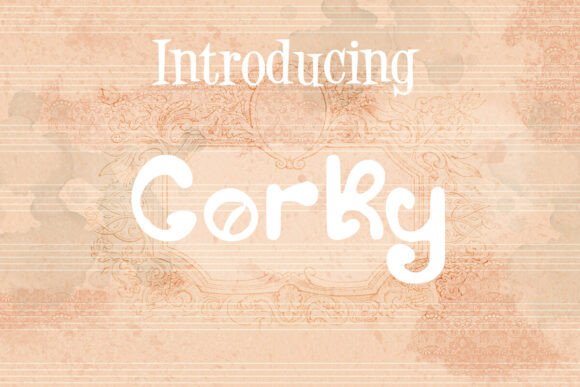
When I first saw Corky, I was struck by its bold yet elegant character. The font has a modern, clean aesthetic that exudes confidence. It’s not overly ornate, but it has enough detail to make an impact without being overwhelming. The shapes are well-proportioned, and the layout feels balanced—perfect for embroidery projects that need a strong visual presence.
Corky seems to thrive on surfaces where it can be the focal point. It works especially well on custom apparel, tote bags, and baby items where clarity and readability are key. Its design personality leans toward contemporary and professional, making it a great fit for handmade products and boutique merchandise.
Real-Life Embroidery Scenarios with Corky
I tested Corky on a few different projects, including a custom embroidered tote bag and a sweatshirt. On both, the font held up well, with clear lettering and a polished finish. The stitch density was just right—not too heavy, which helps prevent puckering on lighter fabrics. For a small business owner or Etsy seller, this could mean less waste and more efficient production.
One of the things I appreciate about Corky is how it adapts to different applications. Whether it's a simple applique design or a more intricate fill stitch, it maintains its integrity. It also works well as a decorative accent on items like aprons, pillow covers, and holiday gifts. However, I noticed that on textured or stretchy fabrics, the details can sometimes get lost if not properly stabilized.
Where to Use Corky with Caution
While Corky is versatile, there are certain situations where it might not perform as well. In small hoop sizes, the font can feel cramped, especially when used for detailed corners or tiny lettering. This could lead to stitching issues if not carefully managed.
On dark fabrics, the contrast between the thread color and the background becomes crucial. If the thread doesn't stand out enough, the design may not look as sharp. Similarly, on thin or stretchy materials, the design may require extra stabilizer to maintain its shape during the embroidery process.
For curved surfaces like caps or baby onesies, the font’s structure can sometimes cause distortion if not adjusted properly. It’s also worth noting that dense stitch areas might require more careful planning to avoid over-stitching and fabric damage.
How Corky Affects Visual Appeal and Customer Perception
From a design standpoint, Corky adds a level of professionalism to any project. Its clean lines and structured layout make it easy to read, which is essential for personalized gifts and commercial embroidery. When used on handmade products, it enhances the overall presentation, making the finished item more appealing to customers.
For small shop owners and craft businesses, using a font like Corky can help build brand consistency. It gives a cohesive look across different products, whether it's a printable mockup or a digital product preview. This consistency can increase customer trust and encourage repeat purchases.
Corky also plays a role in giftability. Whether it's a holiday ornament or a personalized kitchen towel, the font’s clarity and style make it suitable for a wide range of occasions. It’s a smart choice for anyone looking to create something that stands out while maintaining a high level of quality.
Practical Designer Notes for Using Corky
Before finalizing any project with Corky, I recommend testing the design on scrap fabric. This helps identify any potential issues with stitch density, thread color contrast, or fabric texture. It’s also important to review the embroidery file for any hidden details that might not show up well in certain conditions.
When working with small hoop sizes, consider resizing the design or adjusting the layout to ensure it fits comfortably. For thick or layered garments, a proper stabilizer is essential to prevent shifting during the embroidery process. And don’t forget to test the design on both light and dark backgrounds to see how it performs in different settings.
If you're planning to sell finished items or digital products featuring Corky, always confirm the licensing terms. Make sure the design is suitable for both personal and commercial use before proceeding.
Final Thoughts on Corky
Corky is a reliable and stylish choice for embroidery designers, small business owners, and crafters looking for a versatile display font. It offers a balance of creativity and practicality, making it suitable for a wide range of projects. From custom apparel to holiday gifts, it brings a professional touch that can elevate any handmade product.
Whether you're an Etsy seller or a hobbyist, Corky has the potential to enhance your design assets and improve the overall appeal of your finished products. With the right approach, it can become a go-to font for many of your embroidery projects.