Kego Rush: A Quirky Handwritten Font for Script Amp Projects
As a designer who regularly works on branding, packaging, and digital assets for small businesses, I always look for fonts that add character without overwhelming the design. Kego Rush is one such font that brings a unique, handwritten charm to any project. Its natural, organic feel makes it ideal for creative design elements that need a personal touch.
First Impressions: A Handwritten Vibe with Personality
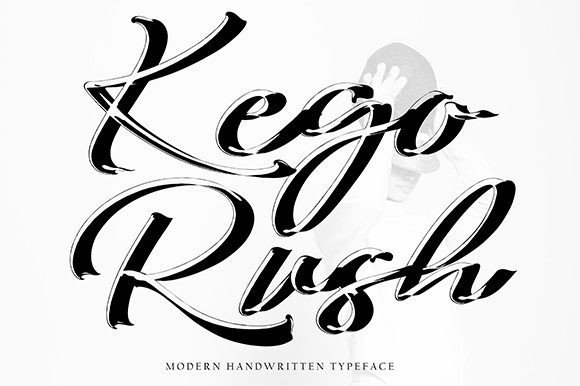
Kego Rush immediately stands out with its casual, uneven strokes and subtle imperfections. It feels like someone wrote it by hand, which gives it an authentic, approachable vibe. This font isn’t for clean, corporate designs—it’s for projects that want to feel more human, more handmade. Whether it’s a boutique product label or a social media graphic, Kego Rush adds a sense of warmth and individuality.
It’s perfect for a small business branding project, especially for a handmade or artisanal brand looking to stand out in a crowded market. The font’s personality can help convey a story, making it ideal for Etsy products, print-on-demand items, or a local event promotion.
Real-World Use: From Logo Design to Social Media Graphics
In logo design, Kego Rush can be used as a secondary font to add a custom feel. It pairs well with more structured typefaces, creating a balanced visual hierarchy. For brand identity, it can be used in taglines, headings, or decorative elements that need a personal touch. When paired with a sans-serif or serif font, it helps create a modern design that still feels warm and inviting.
For packaging design, Kego Rush shines in product labels, stickers, and t-shirt designs. Its irregular lines make it less likely to be mistaken for a generic font, which is great for standing out on store shelves or online marketplaces. In digital ads or Instagram posts, it can be used for captions, callouts, or headlines to add a playful tone.
When working on editorial design or web design, Kego Rush can be used in hero sections, banners, or decorative accents. It’s also a good fit for Canva templates or Cricut projects where a custom, handwritten look is desired. For printable wall art or SVG designs, it adds a unique, artistic flair that can elevate a simple design into something more memorable.
Best Uses: Where Kego Rush Excels
Kego Rush works best in large layout areas where its personality can shine. It’s great for hero graphics, product mockups, and themed collections where a whimsical or nostalgic feel is needed. As a decorative accent, it can add interest to invitations, flyers, or posters without competing with other design elements.
It’s also useful in campaign visuals, packaging details, and printable designs where a handmade aesthetic is key. For social media posts, it can be used to highlight key messages or add a personal touch to content. In commercial design, it serves as a supporting brand element that adds visual variety without overshadowing the main message.
Caution Areas: Where Kego Rush May Not Fit
However, Kego Rush isn’t suitable for every project. In small sizes, its irregular strokes can become hard to read, especially if the design lacks proper spacing or contrast. It may not work well in crowded layouts where clarity is essential. On complex backgrounds or low-contrast designs, it can lose its impact and become difficult to distinguish.
Minimalist branding or professional corporate materials often require a cleaner, more structured typeface. In those cases, Kego Rush might feel too informal or unpolished. It’s also not ideal for projects that demand strict visual hierarchy, where legibility and consistency are paramount.
Design Considerations: Readability and Practical Checks
Before using Kego Rush in a client project, it’s important to test it in different contexts. Try it in black and white to see how it performs without color. Check contrast on both light and dark backgrounds to ensure it remains readable. Preview it at small and large sizes to understand how it scales across different mediums.
Place it on real mockups—whether it’s a t-shirt, mug, or website—to get a sense of how it looks in context. Test print quality if it’s going to be used for physical products. Review file formats, especially if you’re using it for a digital product or design bundle. If it includes PNG transparency or SVG vector files, inspect them to ensure they’re editable and high quality.
Compare it with other font styles—serif, sans serif, script, or display fonts—to see how it fits into your overall design strategy. Make sure to confirm the commercial license before using it for a client or business project. This ensures you’re compliant and avoids any legal issues down the line.
Why Kego Rush Is a Valuable Creative Asset
Kego Rush offers a fresh alternative to standard fonts, especially for designers looking to inject personality into their work. It can enhance visual hierarchy by adding a unique voice to a design, helping to build emotional appeal and audience engagement. For handmade businesses or small business branding, it can create a more relatable and trustworthy image.
Whether you’re working on a digital ad, a packaging design, or a Canva template, Kego Rush can be a powerful tool in your design asset toolkit. Its quirky, handwritten style makes it ideal for creative marketplace projects, sublimation designs, or printable wall art that needs a personal touch.
Overall, Kego Rush is a versatile and expressive font that can elevate a wide range of design projects. With careful consideration and testing, it can become a valuable addition to any designer’s collection, especially when working on handmade, small business, or seasonal campaigns.