Esperanza: Modern Sans Serif Fonts for Local Branding
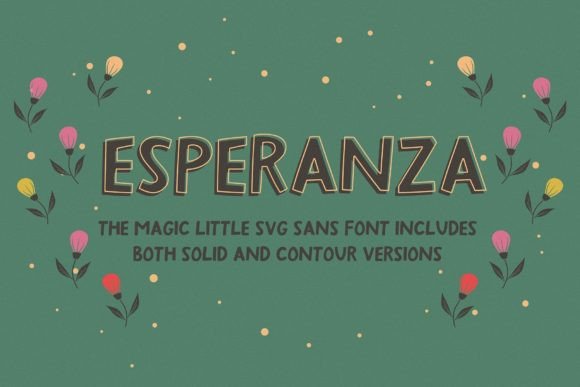
As a brand designer, I often look for fonts that can elevate a small business’s visual identity without overwhelming it. Esperanza, the SVG Regular Sans Serif font collection, offers a fresh and versatile option for local businesses looking to create a memorable brand presence. Its playful, handwritten style brings a sense of warmth and creativity that aligns well with handmade, boutique, and artisanal brands.
The First Impression: Playful and Approachable
From the moment I saw Esperanza, I was struck by its friendly and approachable vibe. The font feels like it was hand-drawn with care, giving it a personal touch that resonates with small business owners who want to connect with their customers on a more human level. It’s not overly formal or rigid, making it ideal for brands that want to feel authentic and relatable.
Esperanza works especially well for businesses in the food, beauty, and home decor industries. A bakery, for instance, could use it for product labels, while a skincare brand might incorporate it into packaging design to convey a sense of natural elegance. Its soft curves and slightly irregular strokes give it a handmade quality that stands out in a sea of generic typography.
Real-World Applications for Local Businesses
Esperanza is a valuable graphic design asset for any local business looking to enhance their brand identity. Whether it's for logo design, product labels, or social media graphics, this font collection offers flexibility across multiple platforms. For a coffee shop, it could be used in menu designs, signage, or promotional banners to create a cohesive and inviting aesthetic.
When working on a handmade soap business, I found that Esperanza added a unique flair to product packaging. It paired well with minimalist layouts, allowing the product to shine while still maintaining a strong visual identity. The font also worked well in printable design elements like thank-you cards and hang tags, which are essential for building customer loyalty.
In digital spaces, Esperanza can be used for web design, social media graphics, and email newsletters. Its modern look makes it suitable for both casual and semi-formal branding, depending on how it’s styled. For a boutique store, it could be used as a header font on a website or as part of a Canva template for marketing visuals.
Supporting Business Presentation and Customer Trust
One of the key benefits of using Esperanza is its ability to improve a business’s professional branding. A well-chosen font can make a huge difference in how customers perceive a brand. With Esperanza, small businesses can create a stronger first impression, leading to better product recognition and a more consistent brand identity.
For a food business, such as a seasonal bakery, using Esperanza on product labels can help differentiate it from competitors. The font adds a layer of personality that makes the brand more memorable. It also helps in establishing a clear visual hierarchy, ensuring that important information stands out without being cluttered.
Another advantage of Esperanza is its adaptability. It can be used in both bold and subtle ways, depending on the needs of the project. When paired with a more traditional sans serif or serif font, it creates a balanced and professional look. This makes it a great choice for businesses that want to maintain a polished appearance while still feeling creative and expressive.
Where Esperanza Excels
Esperanza shines in areas where a bit of personality is needed. Product labels, for example, can benefit from its playful style, especially when targeting a younger or more creative audience. It also works well as a hero graphic in promotional banners, where it can draw attention and communicate a brand’s message effectively.
For seasonal campaigns, such as holiday packaging or limited-edition products, Esperanza adds a festive and eye-catching element. It can be used in conjunction with other design assets, like clipart or illustrations, to create a cohesive and engaging visual experience. In a children’s product brand, it can bring a whimsical and fun tone that appeals to both parents and kids.
When used in social media campaign graphics, Esperanza helps create a unified brand aesthetic across different platforms. It’s especially effective in posts that aim to build an emotional connection with the audience, such as storytelling content or customer testimonials.
Where to Use Esperanza Carefully
While Esperanza is a powerful tool for many applications, it’s not ideal for every situation. In formal corporate branding, for instance, its informal nature may not align with the desired tone. Similarly, it should be used cautiously on very small labels or crowded packaging, where legibility becomes a priority.
When designing for legal or ingredient-heavy layouts, it’s best to choose a more straightforward font that ensures clarity. Low-contrast backgrounds or luxury minimalist brands may also find Esperanza too decorative, as it could compete with the overall design intent.
It’s always a good idea to test Esperanza in real-world scenarios. Print a mockup, check how it looks in black and white, and ensure it works well with your brand colors. If you’re using it for client work, confirm that the commercial license allows for physical product sales and business branding.
Practical Designer Notes
As a brand designer, I always recommend testing fonts on actual packaging before finalizing a design. Esperanza is no exception. I’ve found that it works best when used in moderation, allowing it to complement rather than overwhelm the overall design.
When working on a handmade business, I tested Esperanza on various label sizes and found that it maintained its charm even at smaller scales. It also looked great alongside other design elements, such as illustrations or patterns, making it a flexible choice for creative projects.
Finally, always review the licensing terms before using any design asset for commercial purposes. Esperanza is a great example of a modern design that can support small business branding, but it’s important to ensure that it’s legally appropriate for your specific use case.