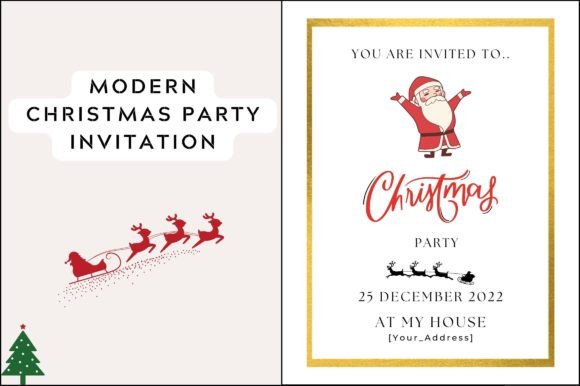
Christmas Party Invitation Card
The Christmas Party Invitation Card is a printable graphic template designed for holiday cheer. As a designer and embroidery product reviewer, I’ve evaluated this design with an eye for practical use in real projects, from custom apparel to handmade gifts. It’s a versatile piece that can be adapted into various embroidery applications, but it also comes with considerations that every designer should keep in mind.
Mood and Visual Personality
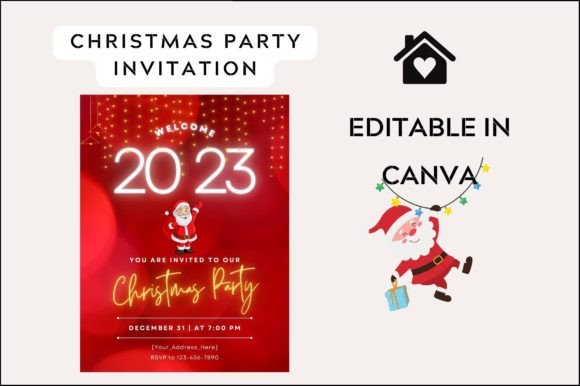
From the first glance, the Christmas Party Invitation Card exudes a warm, festive vibe. The layout is clean and organized, with a clear hierarchy of text and imagery. The design uses classic holiday elements—snowflakes, stars, and a jolly red color scheme—that feel familiar and inviting. It’s not overly complicated, which makes it ideal for embroidery projects where simplicity can translate well into stitchwork.
The visual personality leans toward traditional holiday aesthetics, making it perfect for personalized gifts, handmade items, or small business merchandise. It has a soft, approachable feel that works well for both casual and semi-formal events.
Real-Life Embroidery Applications
When considering how the Christmas Party Invitation Card would work in real embroidery situations, it’s important to think about the type of project it might be used for. This design could easily be adapted into a custom tote bag design, a sweatshirt embroidery, or even a baby onesie. Its structure allows for easy placement on curved surfaces like caps or patches, though some adjustments may be needed depending on the size and shape of the item.
For a handmade product like an embroidered pillow cover or a kitchen towel, the design’s detail level is appropriate. It’s not too intricate to cause issues with stitch density, but it still offers enough visual interest to stand out. If used as a printable mockup, it could serve as a preview for digital product buyers or as a sample for client presentations.
As an embroidery file, the Christmas Party Invitation Card could be part of a larger set of holiday design assets. It’s suitable for craft businesses looking to offer seasonal items, Etsy sellers aiming to create unique digital products, or small shop owners wanting to add a festive touch to their inventory.
Considerations for Specific Use Cases
While the Christmas Party Invitation Card is generally user-friendly, there are certain scenarios where extra care is needed. For instance, if you’re working with small hoop sizes, the design might require splitting into sections to ensure proper stitching. On textured fabrics or thin materials, the stitch density could affect the overall appearance, so testing on scrap fabric is essential.
On dark fabrics, the contrast between the design and the background may need adjustment. If the design is meant for a layered garment or a stretchy fabric, the stabilizer choice becomes critical to prevent puckering or distortion. Similarly, if the design includes tiny lettering or detailed corners, it’s worth checking how those elements translate in stitch form.
This design may not be ideal for commercial embroidery projects that require high levels of precision or for products that will be washed frequently. In such cases, the durability of the stitches and the longevity of the design must be considered.
Impact on Visual Appeal and Customer Perception
When used effectively, the Christmas Party Invitation Card can enhance the visual appeal of an embroidery project. Its clean lines and festive theme make it suitable for both personal and commercial use. However, the success of the design depends largely on how well it’s executed in stitch form.
A well-stitched version of this design can elevate the perceived value of a handmade product or a personalized gift. It adds a professional touch that can increase customer trust and engagement. For a small business or Etsy seller, this design could be a valuable addition to their collection, especially during the holiday season.
It’s also important to consider how the design fits into brand consistency. If your brand has a specific aesthetic, the Christmas Party Invitation Card should align with that style. Otherwise, it may feel out of place or inconsistent with other offerings.
Practical Designer Notes
Before using the Christmas Party Invitation Card in any project, here are a few key steps to take:
- Test on scrap fabric: Always test the design on the intended material to see how it looks and behaves during stitching.
- Check thread color contrast: Ensure the thread colors complement the fabric and enhance the design’s visibility.
- Review stitch density: Avoid areas with too much fill stitch that could cause bulk or distortion.
- Confirm hoop size: Make sure the design fits within your machine’s hoop limitations or plan for multiple hooping sessions.
- Inspect small details: Pay attention to tiny letters, corners, and decorative elements to ensure they translate well in stitch form.
- Test in black and white: Sometimes, a monochrome version can reveal issues that aren’t obvious in color.
- Compare light and dark backgrounds: Check how the design looks on different fabric colors to ensure versatility.
- Use proper stabilizer: Stabilizer is crucial for maintaining the integrity of the design, especially on delicate or stretchy fabrics.
- Verify licensing: Confirm whether the design is suitable for commercial use and whether you can sell finished products or digital files.
These steps help ensure that the Christmas Party Invitation Card meets the quality and functionality standards required for real-world embroidery projects.
Final Thoughts
The Christmas Party Invitation Card is a solid choice for designers looking to incorporate holiday themes into their work. It’s easy to edit, visually appealing, and adaptable to a wide range of embroidery projects. However, its success ultimately depends on how well it’s executed and how it aligns with the specific needs of the project or business.
Whether you’re creating a custom apparel piece, a personalized gift, or a small shop product, the Christmas Party Invitation Card has the potential to add value and charm. Just remember to approach it with the same care and attention you’d give any other embroidery file, and you’ll be well on your way to a successful finished product.